Rise of the Mocktail: Why Zero-Proof Is Here to Stay
Industry, Leadership, People


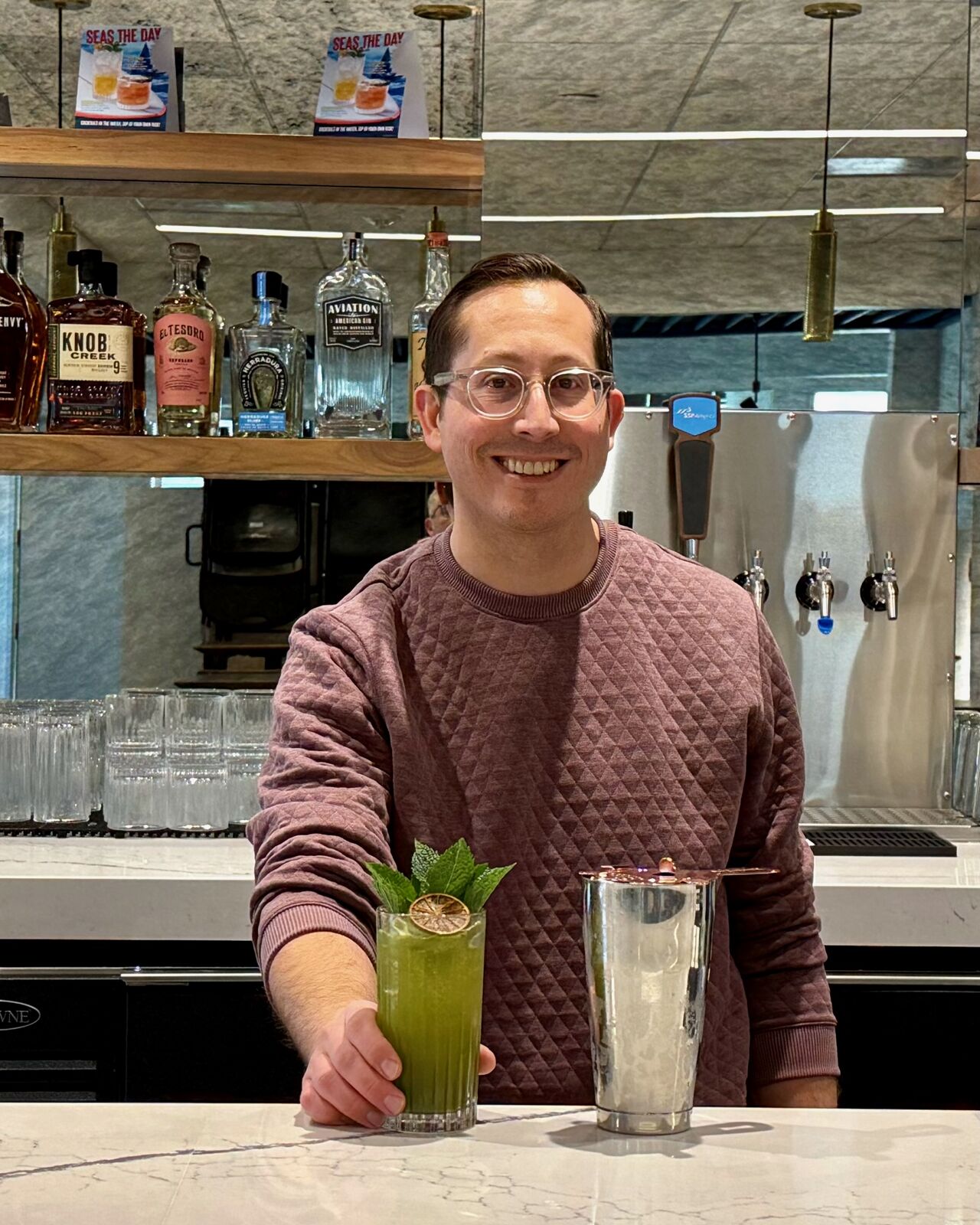
Mocktails have quickly moved from menu afterthought to must-have—and the shift reflects a broader change in how people think about drinking. Today’s guests want flexibility, inclusivity, and elevated experiences, whether alcohol is involved or not.
In a recent Q&A, Josh Barone, vice president, commercial at SSP America, shared why the rise of mocktails isn’t a passing wellness trend, but a lasting evolution in drinking culture.
Why Guests Are Drinking Differently
The mocktail movement is closely tied to changing consumer attitudes around health and wellness. According to Gallup, only 54% of US adults now say they drink alcohol, down significantly from past decades. Nearly 45% believe drinking is bad for health.
Younger generations are driving much of this change. Mintel reports that half of Gen Z adults prefer non-alcoholic or low-alcohol options when socializing, prioritizing experience and inclusivity over intoxication. But guests aren’t necessarily giving up cocktails altogether: they’re redefining how and when they drink.
Barone points to the rise of ‘zebra striping,’ where guests alternate between alcoholic and non-alcoholic beverages during an occasion. Instead of choosing one or the other, guests want options that let them pace themselves while still enjoying something special.
Mocktails That Feel Intentional
What separates a great mocktail from ‘juice in a fancy glass’ is intention. Guests want the same level of care they expect from a cocktail: balanced flavors, premium ingredients, and thoughtful presentation.
Glassware and garnish matter more than ever. Serving mocktails in the same cocktail glasses, with the same visual appeal, helps ensure guests who aren’t drinking don’t feel left out. As Barone notes, many guests don’t want to explain why they’re skipping alcohol.
This focus on craft is becoming the norm. Datassential reports that mocktails now appear on over 60% of US restaurant menus, with especially strong growth in casual dining and travel environments. Meanwhile, non-alcoholic spirits and botanical blends are expanding what’s possible, adding depth and complexity to zero-proof beverages.
The Business Case for Mocktails
From an operational standpoint, mocktails still trail cocktails in total sales, but the demand is there, and it spikes during moments like Dry January. Barone notes that pricing is a key consideration—guests expect mocktails to cost slightly less than alcoholic drinks, even when ingredients and labor are comparable.
Looking ahead, mocktails are expected to lean further into functional and wellness-forward ingredients, including botanicals and adaptogens, mirroring trends already seen in energy drinks and other beverages.
More Than a Trend
At their core, mocktails are about hospitality. They create inclusive experiences, support wellness-focused choices, and help every guest feel like they’re part of the celebration. As drinking culture continues to evolve, mocktails aren’t just an alternative; they’re an essential part of modern menus.
other stories

VP of People Talks About Change

Partner Spotlight: Zaza
SSP America Contributes to the Greenest Terminal
Team Member Spotlight: Kris Romero

Brand Spotlight: Jim Stump’s Taproom + Kitchen

SSP America Flying into FAT
Team Member Spotlight: Prado Team Members
Team Member Spotlight: Todd Kaufman
Diraddo Named RVP
Superheroes at PHX
SSP America Does Shark Week
Team Member Spotlight: Debbie Hrubovcak
SSP America and Health Menu Options
Harry & Izzy’s Globally Ranked
LouLou Market & Bar at SEA
Tiki Time!
Team Member Spotlight: Scott Welding
Team Wins at ACI!
Safety First, Always